
From Scarcity to Abundance
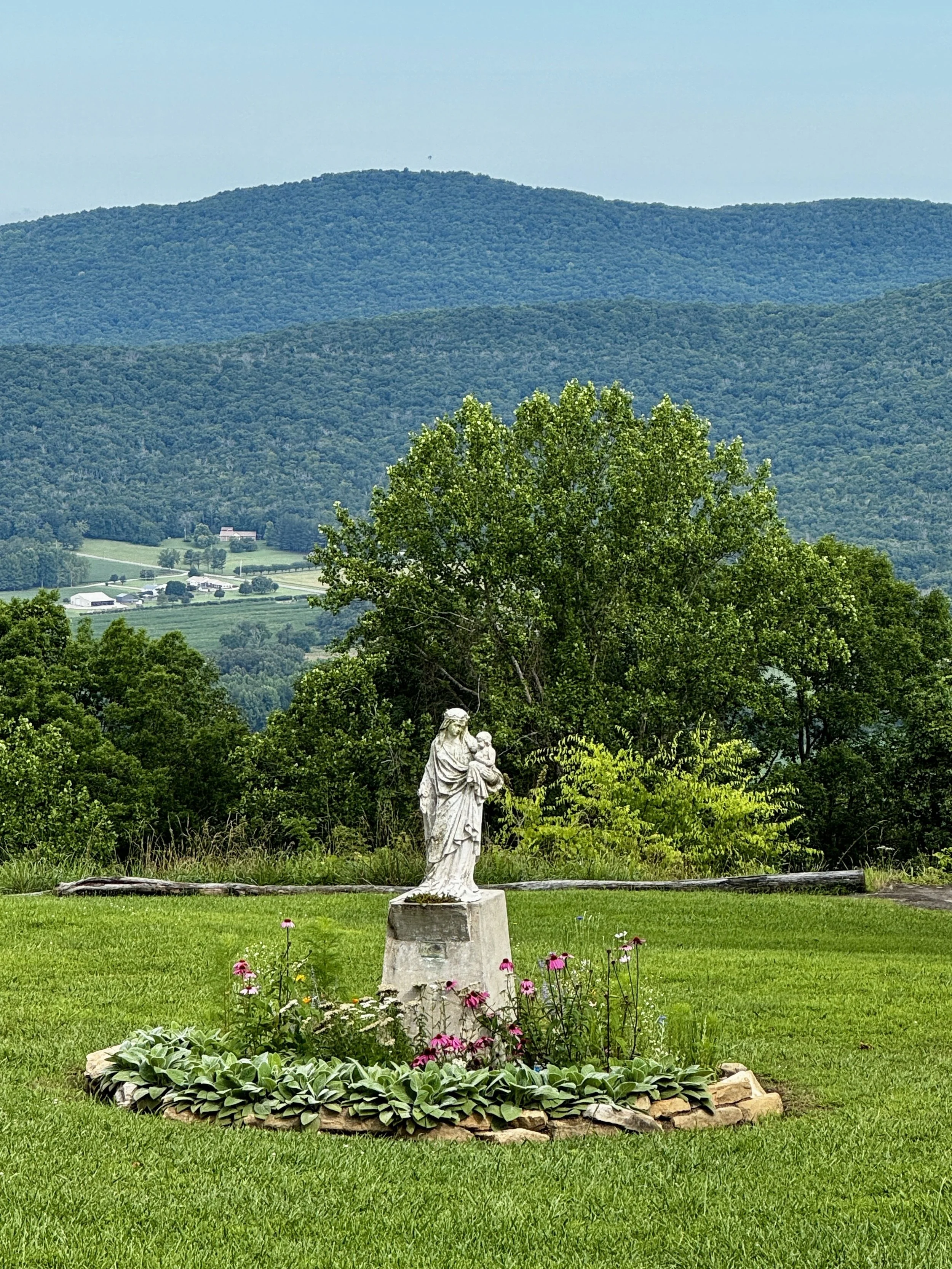
We plant seeds that will flower as results in our lives, so best to remove the weeds of anger, avarice, envy, and doubt, that peace and abundance may manifest for all.
—Dorothy Day
Once, Mary Beth and I were talking about the incredible generosity we continue to experience at St. Mary's Sewanee: The Ayres Center for Spiritual Development:
A retreatant wrote personal notes to all 13 staff members with specific words of appreciation.
Our property manager was able to purchase the tools we need to repair and maintain our buildings.
Someone who hasn't visited in years donated until she can return.
A staff member stepped out of his job description to help with data entry, meeting a deadline.
The Finance Committee is supportive of future investment and increases.
The native flowers planted by volunteers are in stunning bloom.
"It doesn't make sense that we'd be spending so much money and experiencing such abundance at the same time," said Mary Beth to me, "but … that's how God works."
And suddenly I was transported back to a Divinity School class in 1999, remembering Dr. M. Douglas Meeks explaining God's "divine economy."
Nearly three decades ago, I sat at the back of the room, half-listening to lectures on United Methodist History and Theology. I realize now that Dr. Meeks' methods and convictions sank into my 25-year-old self as seeds of a theology that is now bearing fruit in this beloved retreat center.
Dr. Meeks took seriously both the information we were learning and our formation through the "means of grace." We began each class singing Charles Wesley hymns before he launched into his lectures. Woven throughout his teaching on history and theology was Doug's core conviction about God's economy: If the righteousness of God is present, there is always enough to go around.
That’s how God works. It’s the way we steward this organization's resources, and it flies in the face of what Dr. Meeks called the most basic assumption of the modern economy: scarcity.
At 25 years old, these were pretty words—inspiring, even—but not yet tangible. I began to understand the conviction as our family grew. My faith in abundance grew by leaps and bounds when we moved to Malawi and lived there as Volunteers in Mission. Alternatively, as I moved into the nonprofit world, I began to see the effects a scarcity mindset can have on staff morale, organizational culture, and vision.
Stepping into my role at St. Mary's Sewanee was my first real opportunity to lead, trusting in that divine economy:
To trust that staff have gifts beyond their job descriptions that we need and will make us stronger.
To trust that old buildings can be beautiful, maintained, and repurposed.
To trust that people want to be part of an active story of transformation.
To dig into data and discover the truth: the scarcity we fear is often not real, but a protection against trusting God's economy. In God's design, daily manna is enough. A few fish, blessed and broken, feed multitudes. Costly oil poured as a blessing is never wasted.
My journey at St. Mary’s Sewanee solidifies for me the truth that Doug Meeks tried to impart so many years ago and that Walter Brueggemann stated so clearly: "The power of the future lies not in the hands of those who believe in scarcity but of those who trust God's abundance."
Doug planted seeds by singing hymns and patiently teaching the naive students in the back row. At St. Mary's Sewanee, our seeds are pop-up workshops: a few hours to dance, read poetry, listen to the wisdom of our bodies, sit in silence, create, and listen for the still small voice of God. We believe these seeds will blossom into flowers of transformation and abundance for all.
Our invitation for you is to experience the abundance alive here, and to tend the seeds of your own transformation.
PRACTICE: From Scarcity to Abundance
Name Your Scarcity Story
Notice the stories you tell yourself about "not having enough." Not enough time. Not enough money. Not enough energy. Not enough (fill in the blank).
Write them down and ask: Is this true? Or is it a protection against risk? Against vulnerability? Against trusting?
Sit with what you've written. Notice how this story shapes your choices, your worry, your grip on what you have.
Be Open to Abundance
Now read this quote from Anne Sexton: "Abundance is scooped from abundance yet abundance remains."
Let that sit with you. Read it again.
Scoop from abundance. And abundance remains. Not diminishes. Not runs out. Remains.
What shifts when you read those words? What becomes possible in your body, your mind, your heart?
Now look at your scarcity story again. Is it true? Or is it a story you've been told—and told yourself—by a world that doesn't understand God's economy?
What if, instead, you scooped? Gave? Shared? Offered? Risked? What if abundance actually remained?
